Indian Nose Sunrise Hike Lake Atitlan
$89
6 hours
Easy-Med
Watch the sun slowly rise above a horizon of seven volcanoes as you hike the world-renowned...
The truth is that Acatenango is one of the most epic experiences you can have in the world, never mind Guatemala. This is a once-in-a-lifetime opportunity to see a volcano erupting in front of your eyes. But that’s exactly the point - this is an active volcano that is actively spitting out lava and rocks. There are risks. It can be dangerous. And you need to be fully aware of that before ascending.
So, the ultimate objective of this blog is to educate you about those risks, what could go wrong, and how guided tours are crucial to minimise risk. If you prefer to take a safer option, there are plenty of other amazing hikes you can do here in Guatemala, which we will also run you through.
I'm Lee, founder of Kayak Guatemala. I've lived and guided at Lake Atitlán for about 20 years.
So let us talk about it calmly, properly, and honestly.
Here's what you need to know before you read on: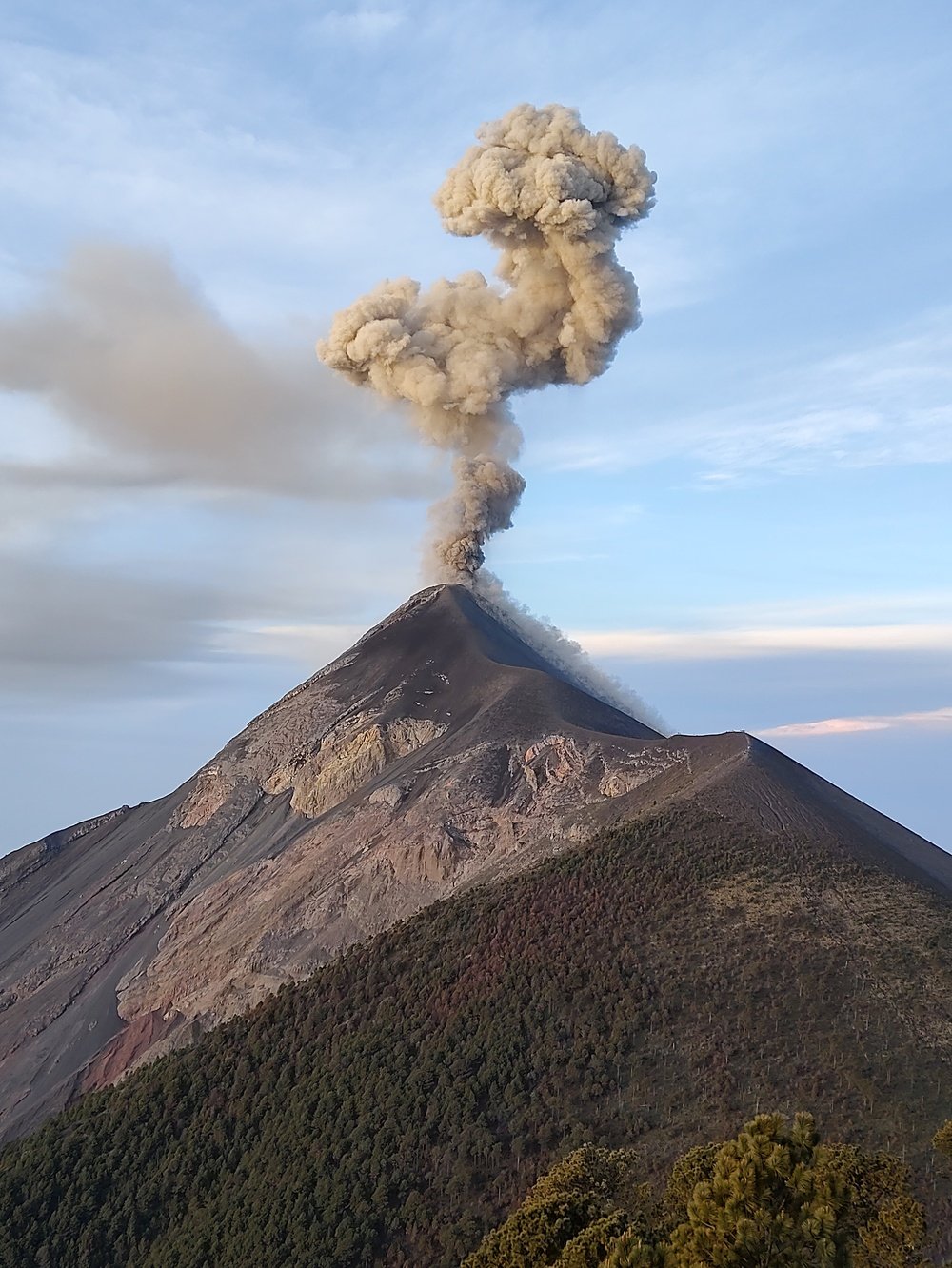
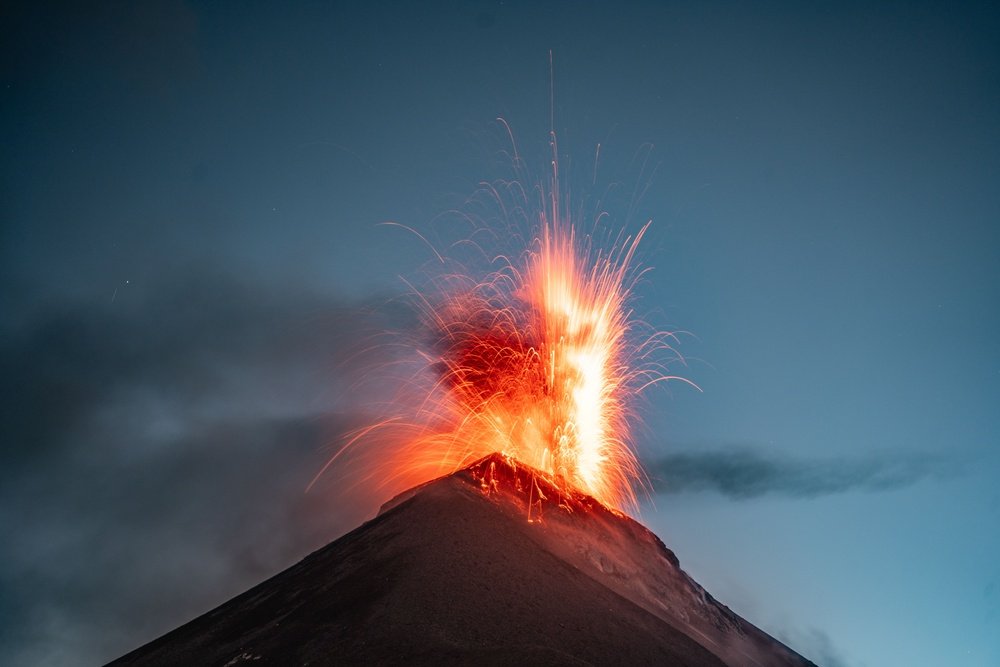
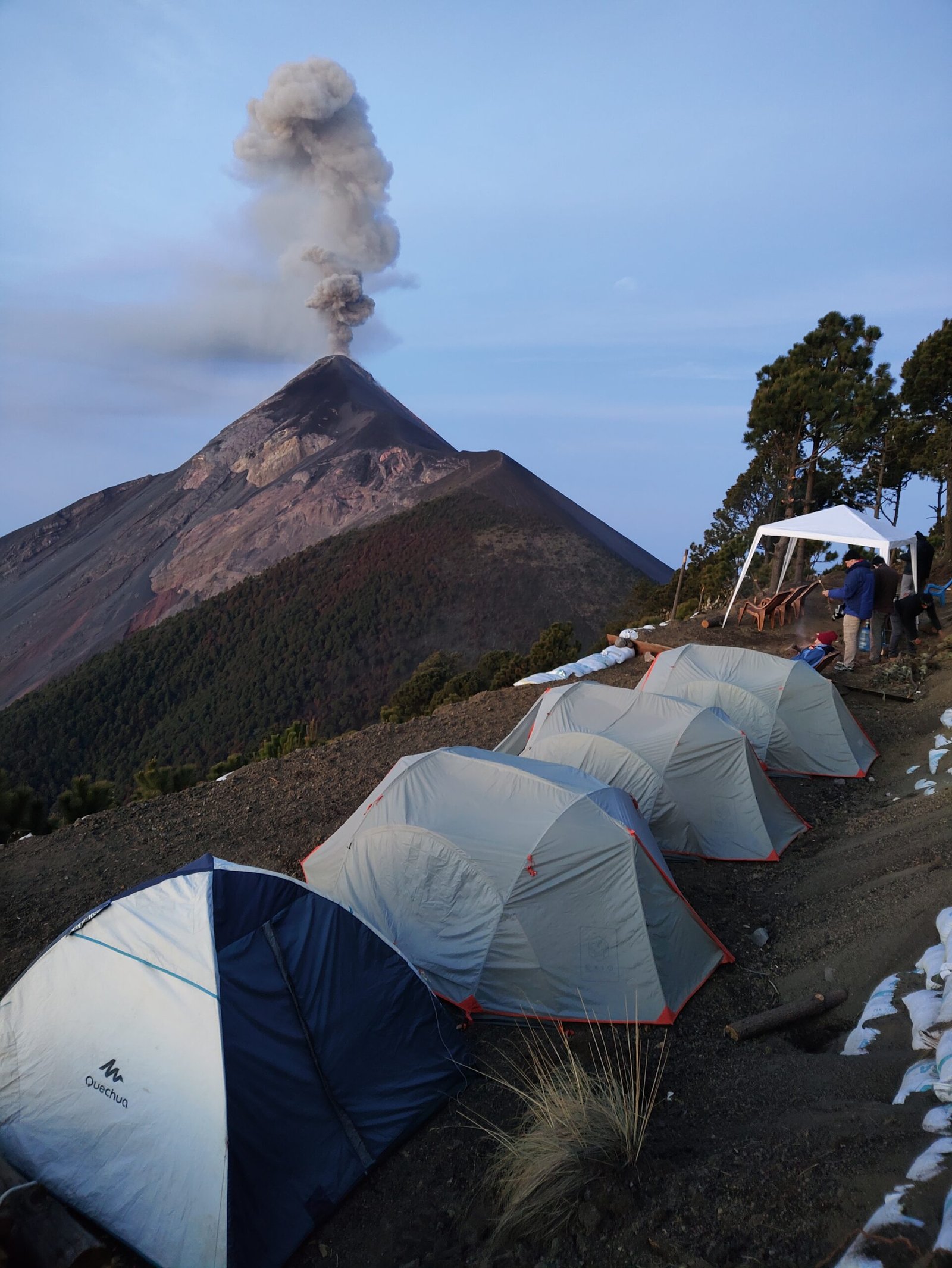
Acatenango and Fuego are two different volcanoes. Acatenango is the one hikers go up; it’s dormant. Fuego is another one next to it, and this is the one that erupts - and you can easily enjoy the view closely from both the summit of Acatenango and the base camp.
Hikers can sleep at the base camp because it is considered a safe enough distance from rocks or lava.
Also, there is a path between the two summits of the volcanoes where in the early morning, hikers usually walk across to see Fuego up close.
How guides see an eruption comingThe guide groups monitor the volcanic activity constantly, and if a huge eruption were to occur, they would know in the hours before it started, as there are scientific tools to detect the activity before it happens. In such a case, all hikes would be cancelled immediately, and hikers would evacuate the mountain.
I will start with my honest answer on this—generally yes, but hiking a volcano in Guatemala isn't just one activity, and together lumping one volcano with another does give travelers a disservice.
The footage that circulated on TikTok showed a hiker on the overnight Acatenango trek near Antigua as neighboring Fuego produced a stronger-than-usual explosion, sending ash and rock fragments down near the group. But the good news is people quickly move to the safer ground, and thankfully, no one gets into serious trouble. Fuego is a genuinely active volcano; it erupts several times in an hour, and that proximity to real volcanic activity is a real scenario that draws people to Sacatepéquez in the first place. INSIVUMEH, Guatemala's volcanic institute, actively monitors Fuego around the clock and issues daily bulletins, and any experienced operator worth booking checks those before deciding if trips run or not.
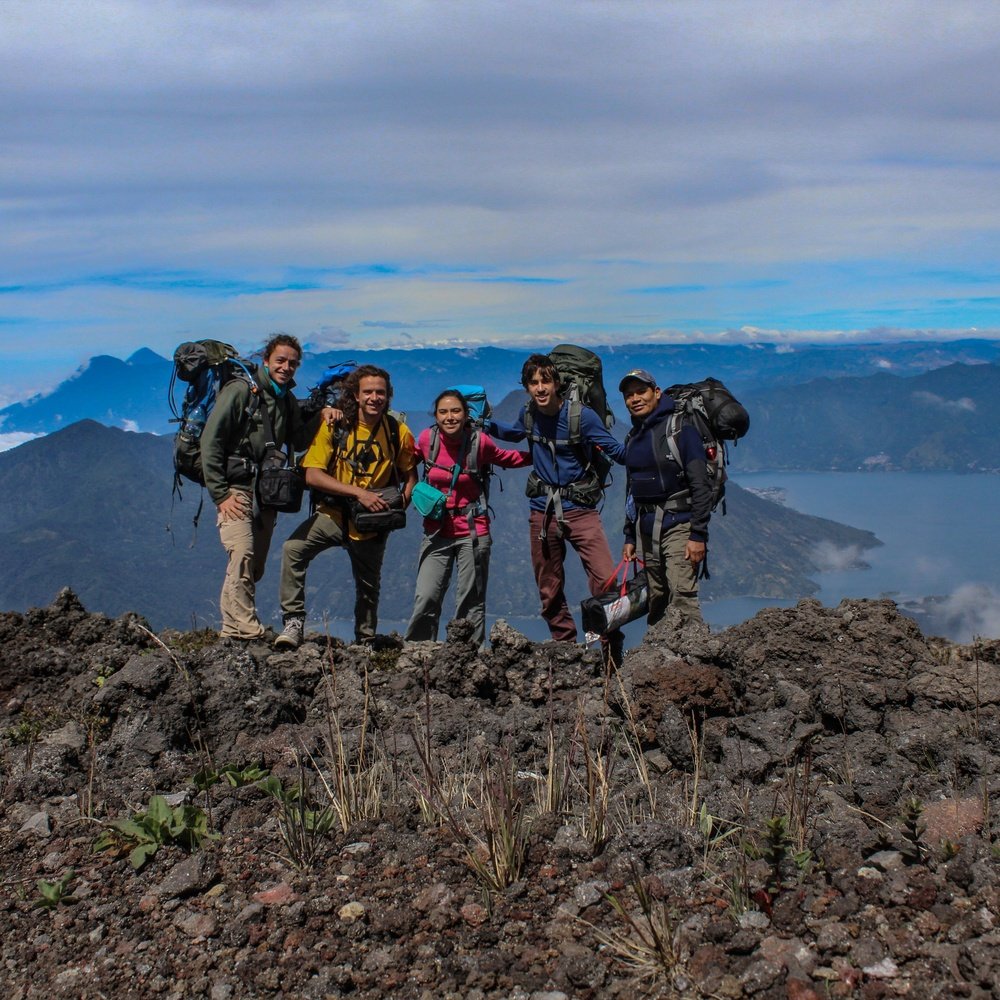
So, from my experienced point of view, Acatenango has safe and manageable risks. But you might read all that and know about the incident of a volcano erupting suddenly and thinking I want the thrill but less risk, then Lake Atitlán’s volcanoes are the ones for you.
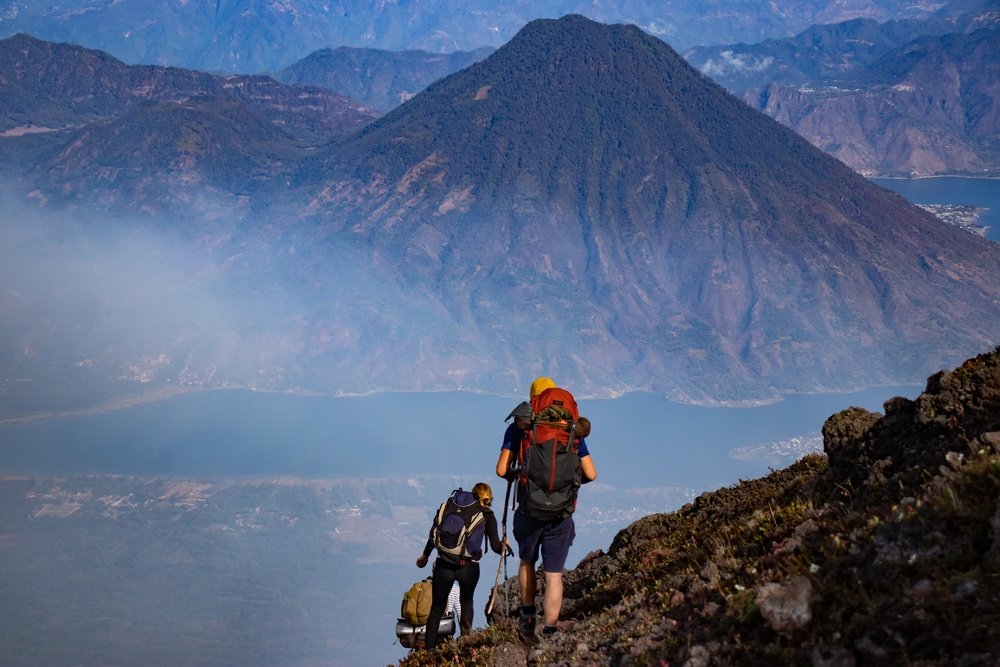
In safety on a volcano, the first priority lies in the preparation, and this is the part I take very seriously.
Experienced Local GuidesOn our team, every guide is trained, bilingual, and deeply rooted in the village at the base of these volcanoes. Most of them grew up on these very slopes, which will lead you up now. I still climb with them on a regular basis, and the knowledge they have is something that you can't find in any manual: which trails flood first. Where can the local screen be? How does the light change before the storm comes?
Weather and Trail MonitoringConditions around Lake Atitlán can shift very fast, especially when we're in the cloud forest at 2,500 meters. Before every departure, we check on the weather and the conditions of the trail, and they're very upfront about rescheduling a summit attempt if visibility or the rain makes it unwise. The dry season from November through April gives the clearest skies and the firmest footing. Give another look to your decided date of travel plans if you have flexibility.
Small GroupsOne thing that I follow is keeping our group very small. That means our guide actually can look out for everyone and can adjust the pace on steep sections. It means you get more time to take awesome photos at the summit. Along the trail while walking through Tz'utujil and Kaqchikel land, you get the opportunity to learn about their communities and interesting facts.
Local Knowledge and PlanningEvery route we go for is already walked more than a hundred times by the person who is leading us. We directly coordinate with the communities that are around the trail we pass through beside the lakeside, from the coffee farms on San Pedro's lower slopes to the market town of Toliman, and guide fees go straight into those villages. Permissions, access, and relationships with locals are already handled long before you pack up your bag for the journey.
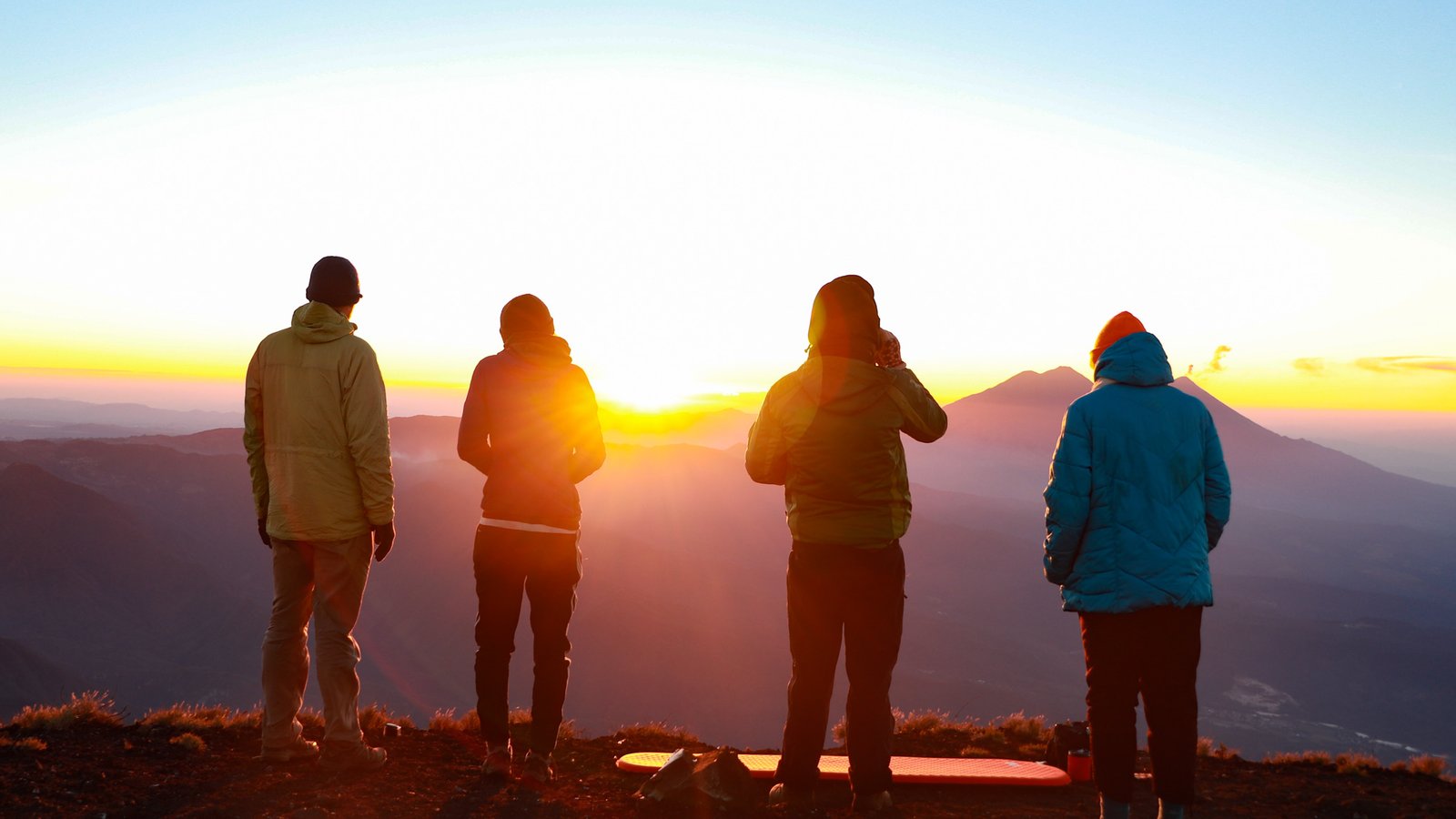
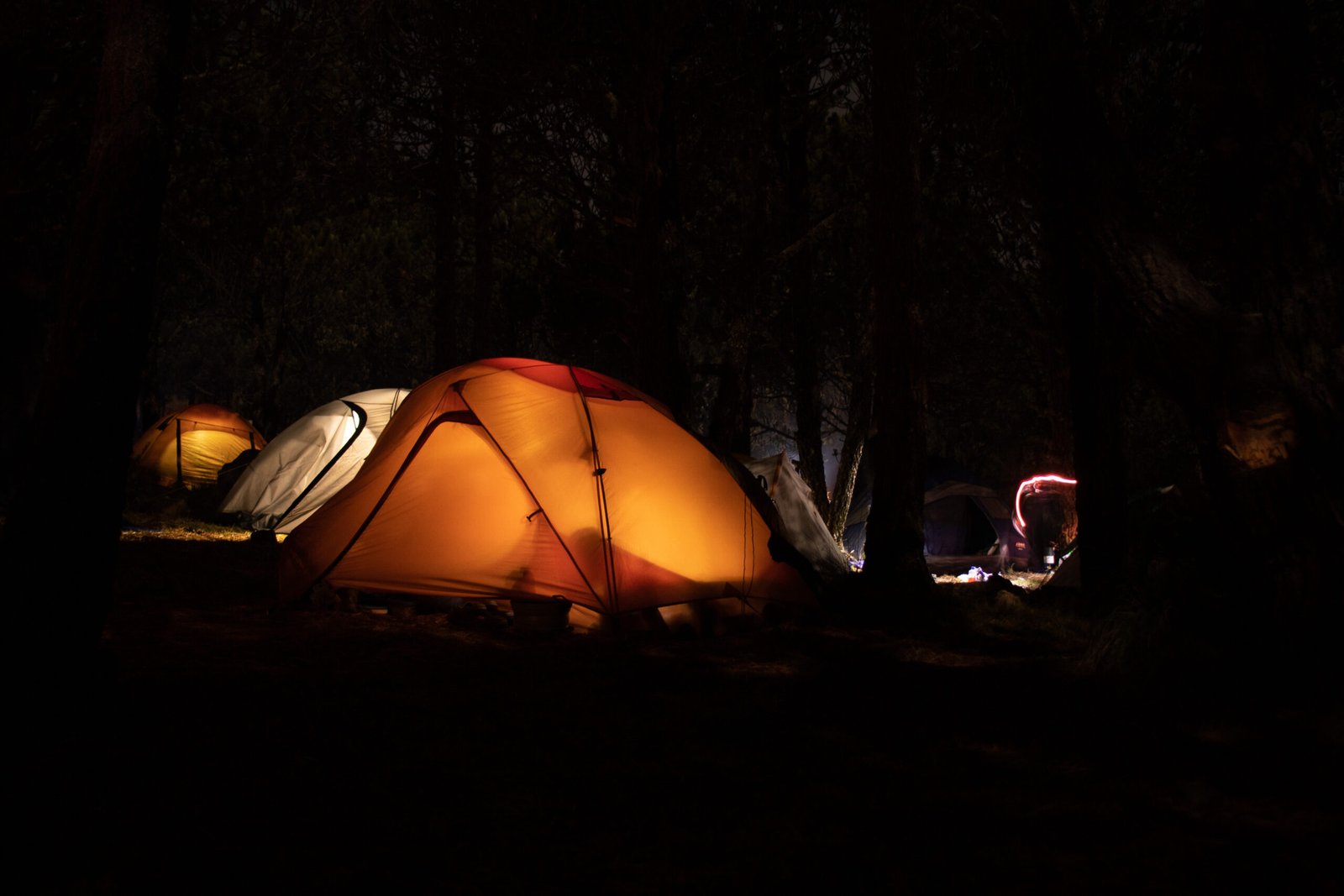
That specific knowledge of the local side is also the main factor that helps us to choose the right hike and the right traveler, and our options are chosen by mapping out the whole plan:
It’ll be disappointing if someone cancels the plan to go to Guatemala after seeing the footage, because I can assure you this country's volcano landscape is one of the most spectacular scenarios I've ever seen, and most of it is nowhere near Fuego. If you are really craving the same epic, above-the-cloud feeling that Acatenango is known for but less of the live volcano activity, then Volcan Atitlánis the best Acatenango alternative Guatemala can offer. And, honestly, the caldera views are anything. Antigua can speak for itself. I’d rather gently ease on. Indian Nose hike will give you volcano views anyway, and you will get a sunrise that you won't be able to forget, and shortly you’ll be back in town for breakfast.
Watch the sun slowly rise above a horizon of seven volcanoes as you hike the world-renowned...
One of Guatemala's toughest hikes, the overnight Atitlan volcano hike is steep and traverses...
The #1 hiking expedition in Lake Atitlan. The San Pedro Volcano hike crosses cloud forest to...
One of Lake Atitlan's most challenging trails, the Toliman Volcano hike crosses through clou...